

Mastering Tree Pruning: Essential Tips for Healthier and Safer Trees
Understanding the Fundamentals of Tree Pruning
Tree pruning is one of the most critical maintenance practices for maintaining healthy, attractive, and safe trees on your property. Whether you are looking for ways to improve tree health, enhance structural integrity, or simply shape your landscape for better curb appeal, proper pruning techniques make all the difference. Understanding when and how to prune trees ensures that you promote vigorous growth while reducing the risk of disease, pest infestation, and structural failure.
Many property owners wonder how to trim their trees without causing unnecessary damage or stress. The answer lies in knowing the biology of tree growth, recognizing the difference between corrective and preventive pruning, and using the right tools and techniques for each situation. Trees in the Albuquerque area face unique environmental challenges, including intense summer sun, dry conditions, and occasional high winds that can weaken branches. These factors make regular pruning particularly important for long-term tree vitality.
Before making any cuts, it is essential to identify your pruning goals. Are you removing dead or diseased wood? Are you thinning the canopy to improve air circulation? Are you raising the crown to clear pathways or structures? Each objective requires a different approach. Pruning also involves understanding tree species, as different trees respond differently to cutting. For example, some trees are best pruned during dormancy, while others tolerate pruning throughout the growing season. Consulting with professionals who understand regional tree species and climate conditions can help you avoid costly mistakes and ensure your trees thrive for years to come.
Timing Your Pruning for Maximum Tree Health
Timing is everything when it comes to pruning trees effectively. Pruning at the wrong time of year can leave trees vulnerable to disease, reduce their ability to heal, or even trigger unwanted growth patterns. For most deciduous trees, late winter or early spring, just before new growth begins, is the ideal pruning window. During this dormant period, trees have fewer active pathogens, wounds heal more quickly, and you can see the tree’s structure more clearly without foliage obstructing your view.
However, not all trees follow the same schedule. Flowering trees, for instance, should be pruned based on their blooming cycle. Trees that bloom in spring, such as crabapples and redbuds, should be pruned immediately after flowering to avoid cutting off next year’s buds. Summer-blooming trees can be pruned in late winter without sacrificing flowers. Evergreens and conifers generally require minimal pruning, but when necessary, it is best done in late winter or early summer to maintain their natural shape and density.
In the Albuquerque region, where temperature swings and arid conditions are common, timing your pruning to avoid heat stress is critical. Pruning during the peak of summer can expose tender inner bark to intense sun, leading to sunscald and tissue damage. Similarly, pruning too late in the fall can stimulate new growth that will not have time to harden off before winter temperatures arrive. Storm-damaged or hazardous branches, however, should be removed immediately regardless of season to prevent injury or further damage. If you are uncertain about the best time to prune specific trees on your property, professional tree trimming services can provide guidance tailored to your landscape and local climate conditions.
Proper Pruning Techniques to Avoid Tree Damage
Using the correct pruning techniques is just as important as choosing the right time to prune. Improper cuts can lead to decay, weak branch attachments, and long-term structural problems. The most fundamental rule is to make clean cuts that promote rapid healing and minimize exposed wood. Always cut just outside the branch collar, the swollen area where the branch meets the trunk or parent limb. This collar contains specialized cells that help the tree seal the wound naturally. Cutting too close or leaving a long stub disrupts this healing process and invites disease.
There are three primary types of pruning cuts: thinning cuts, heading cuts, and reduction cuts. Thinning cuts remove entire branches back to their point of origin, improving light penetration and air circulation without stimulating excessive new growth. Heading cuts shorten branches to a bud or lateral branch and are useful for controlling size or encouraging denser foliage. Reduction cuts remove a portion of a branch back to a lateral branch, maintaining the tree’s natural form while reducing height or spread. Each cut serves a specific purpose, and understanding when to use each technique ensures you achieve your pruning goals without compromising tree health.
Avoid topping trees, a harmful practice that involves cutting main branches back to stubs. Topping causes stress, weakens the tree’s structure, and leads to rapid regrowth of poorly attached branches that are prone to breakage. Similarly, avoid removing more than 25 percent of a tree’s canopy in a single season, as excessive pruning can shock the tree and reduce its ability to photosynthesize. For large branches or trees that require significant pruning, it is often safer and more effective to work with experienced professionals. Trees R’Us specializes in tree care practices that prioritize the long-term health and safety of your landscape, using industry-approved methods and equipment to deliver superior results.
Essential Tools and Safety Considerations
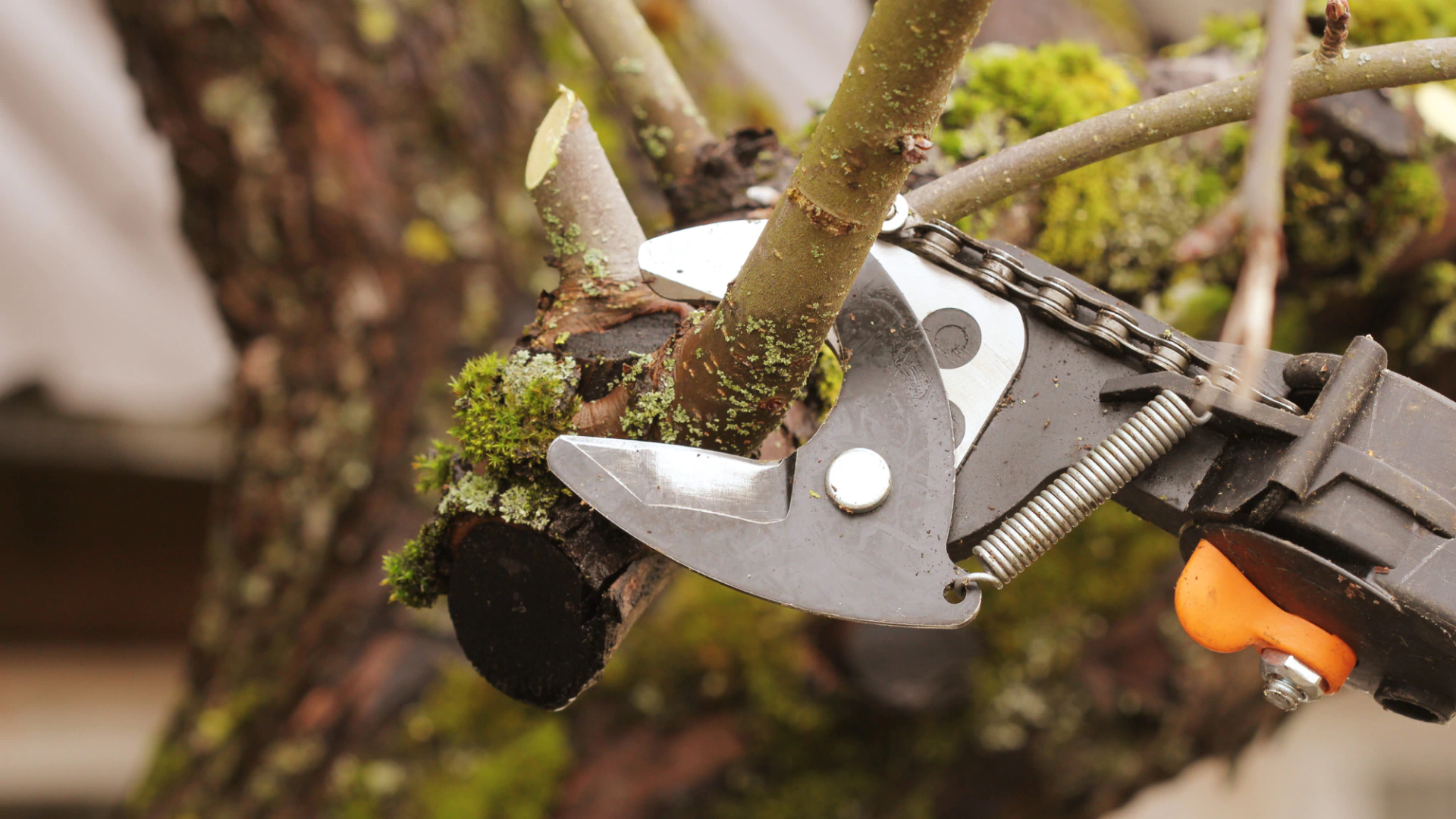
Having the right tools is essential for safe and effective tree pruning. Hand pruners, also called secateurs, are ideal for small branches up to three-quarters of an inch in diameter. Loppers, with their long handles and greater leverage, can handle branches up to two inches thick. For larger branches, a pruning saw with a curved blade provides the control and cutting power needed to make clean cuts. Pole pruners extend your reach for higher branches, but they require careful handling to avoid awkward angles that can result in ragged cuts or injury.
Before starting any pruning project, inspect your tools to ensure they are sharp, clean, and in good working condition. Dull blades crush and tear wood rather than making clean cuts, which slows healing and increases disease risk. Disinfecting blades between cuts, especially when removing diseased wood, prevents the spread of pathogens from one part of the tree to another. A solution of one part bleach to nine parts water or rubbing alcohol works well for tool sanitation.
Safety should always be a top priority. Wear protective gear, including gloves, safety glasses, and sturdy footwear. When working at heights, use a stable ladder and have someone nearby to assist. Never prune branches close to power lines, as contact with electrical wires can be fatal. Similarly, avoid pruning large or heavy limbs without proper equipment and training, as they can fall unpredictably and cause serious injury or property damage. For complex or hazardous pruning tasks, it is always best to hire trained professionals who have the experience, equipment, and insurance to complete the work safely. Whether you need routine trimming or emergency tree services following a storm, relying on qualified specialists ensures the job is done correctly and without unnecessary risk.
Recognizing When to Call a Professional
While basic pruning tasks can be handled by homeowners with the right knowledge and tools, many situations require professional assistance. Large trees, particularly those near structures, require specialized equipment such as bucket trucks, cranes, or rigging systems to safely remove heavy branches. Attempting to prune large limbs without proper training can result in serious injury or costly property damage. Additionally, trees with signs of disease, decay, or structural defects should be evaluated by a certified arborist before any pruning is performed, as incorrect cuts can worsen existing problems.
Another scenario that calls for professional help is when trees are located near utility lines or other hazards. Working around electrical wires requires specialized training and coordination with utility companies to ensure the work is done safely and legally. Similarly, if you notice symptoms such as cankers, fungal growth, discolored foliage, or unusual dieback, it is important to have a professional diagnose the issue before pruning. Removing the wrong branches can spread disease or fail to address the underlying problem, leading to further decline.
Trees R’Us offers a full range of services designed to keep your trees healthy, beautiful, and safe throughout the year. From routine maintenance and seasonal trimming to hazard assessment and disease management, our team brings the expertise and equipment necessary to handle any pruning challenge. We understand the specific needs of trees in the Albuquerque region and use proven techniques to deliver results that enhance both the health and appearance of your landscape. Whether you are managing a small residential lot or a large commercial property, you can trust our commitment to quality, safety, and customer satisfaction. Contact us today to schedule a consultation and discover how professional tree care can protect and enhance the value of your property for years to come.