


5 Tree Removal Mistakes That Damage Your Home and Wallet
Expert Insights on Safe Tree Removal in Albuquerque
Attempting DIY Without Proper Evaluation
Many property owners in Albuquerque underestimate the complexity of removing mature cottonwoods, elms, and pines that thrive in our high desert climate. The first and most expensive mistake begins before any cutting occurs: proceeding without a certified arborist’s assessment. This oversight can cost thousands in structural damage, injury liability, and unnecessary tree loss.
A qualified professional examines root systems, lean angles, decay patterns, and proximity to structures before recommending removal. In neighborhoods throughout Rio Rancho and Bernalillo, we regularly encounter situations where homeowners discovered underground utilities, property line disputes, or structurally sound trees that required only selective pruning rather than complete removal. Each scenario represents potential financial losses ranging from $2,500 to $15,000 in avoidable expenses.
Professional assessment also identifies hidden hazards invisible to untrained eyes. Hollow trunks, compromised root plates, and fungal infections create unpredictable falling patterns that endanger people and property. Desert soil conditions in our region compound these risks, as shallow root systems in caliche layers provide less stability than property owners expect. The assessment fee typically represents less than 5% of potential damage costs, making it the most cost-effective investment in the entire removal process.
Overlooking Municipal Regulations
Albuquerque enforces specific ordinances governing tree removal, particularly for protected species and trees exceeding certain diameter thresholds. Homeowners who skip the permitting process face stop-work orders, fines up to $500 per violation, and mandatory replanting requirements that often exceed the original project budget. These regulations exist throughout our service area, including Edgewood, Los Lunas, and Placitas.
Protected species in our region include mature cottonwoods in bosque areas and heritage trees designated by local preservation committees. Removing these specimens without authorization triggers substantial penalties and potential legal action from neighboring property owners. The permitting process typically requires 7 to 14 business days, but planning ahead prevents costly delays and legal complications.
Beyond municipal permits, utility companies require notification before removing trees near power lines, gas mains, and water infrastructure. Failure to coordinate with these entities creates liability exposure and service interruptions affecting entire neighborhoods. Professional tree care providers maintain relationships with local authorities and streamline the approval process, ensuring compliance without project delays. The administrative investment protects property owners from enforcement actions that frequently cost five to ten times more than proper permitting.
Relying on Consumer-Grade Tools
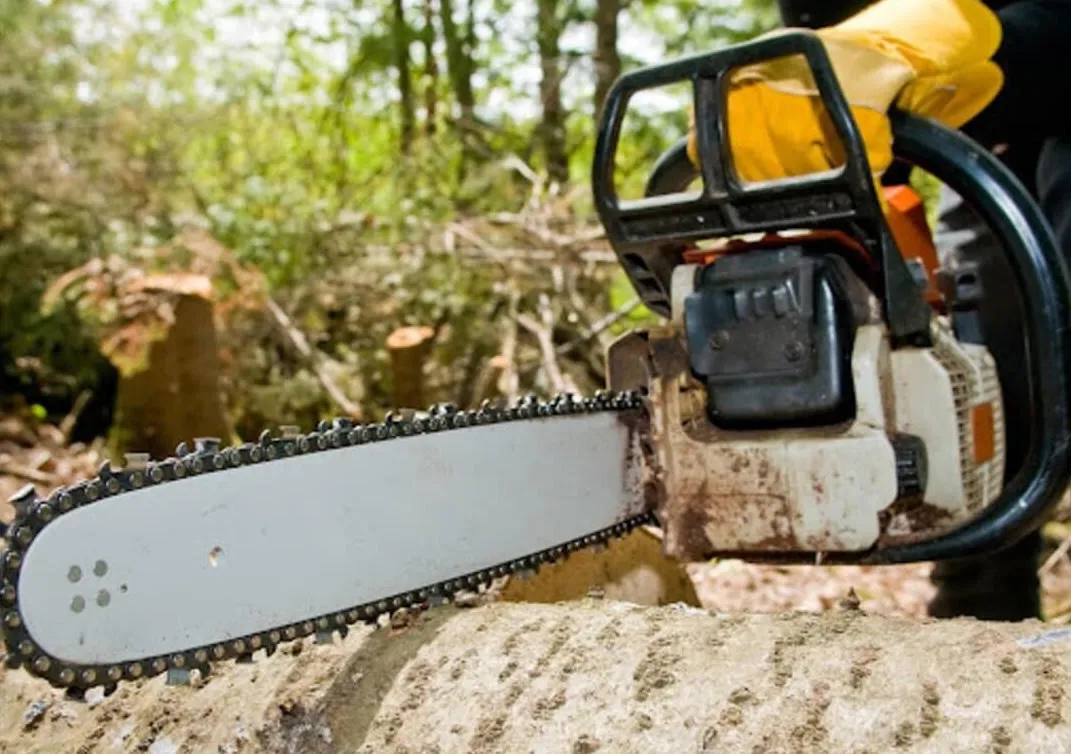
The equipment gap between professional and consumer tools determines whether a removal project proceeds safely or catastrophically. Chain saws, ladders, and ropes purchased from retail stores lack the capacity, safety features, and precision required for controlled tree dismantling. This equipment deficiency contributes to 80% of DIY tree removal accidents resulting in emergency room visits, property damage, and worker’s compensation claims.
Professional removal operations utilize bucket trucks with 60-foot reach capacity, industrial wood chippers processing 12-inch diameter material, and rigging systems rated for multi-ton loads. These specialized tools enable controlled sectional removal that protects landscaping, structures, and underground utilities. In dense neighborhoods throughout Cedar Crest and Tijeras, precision equipment prevents the collateral damage common in amateur removal attempts.
The financial mathematics clearly favor professional equipment investment. Renting adequate machinery for a single project costs $800 to $2,000 daily, requires specialized operator training, and provides no liability protection. Meanwhile, property damage from equipment failure averages $8,500 per incident, with homeowner policies frequently excluding coverage for DIY tree work. Professional services include commercial-grade equipment, trained operators, and comprehensive liability coverage that protects clients from financial exposure. The equipment advantage alone justifies professional engagement for any tree exceeding 20 feet in height or 12 inches in diameter.
Underestimating Drop Radius
Calculating accurate fall zones requires understanding that trees rarely drop vertically or predictably. Wind conditions, uneven weight distribution, decay patterns, and operator error create lateral movement ranging from 15 to 40 feet beyond the anticipated landing point. This miscalculation destroys roofs, vehicles, fences, and neighboring property with alarming frequency across residential areas in Valencia and Peralta.
The physics of falling trees defies intuitive expectations. A 50-foot tree with lean compensation requires a minimum clearance radius of 75 feet to accommodate potential deflection. Branch spread, canopy weight, and ground slope alter trajectories in ways that untrained operators cannot anticipate. Our high desert wind patterns add unpredictability, with gusts exceeding 40 mph common during spring and fall months when many property owners schedule removal projects.
Professional removal eliminates fall zone uncertainties through sectional dismantling techniques. Climbers systematically remove branches and trunk sections in controlled 8 to 12-foot lengths, lowering each piece via rigging systems rather than relying on gravity. This methodology protects properties in confined spaces where traditional felling is impossible. The sectional approach costs 30% to 50% more than whole-tree felling but prevents the $12,000 average repair cost from structures damaged by miscalculated drops. For properties throughout our service area with limited clearance, sectional removal represents the only responsible approach that protects existing investments.
Failing to Locate Buried Infrastructure
Root systems extend two to three times beyond visible canopy spread, intertwining with gas lines, electrical conduits, water mains, and telecommunications cables throughout their growth. Stump grinding and root removal without utility location strikes buried infrastructure, creating explosion risks, service interruptions, and repair bills averaging $15,000 per incident. These hazards exist beneath every established tree in developed neighborhoods across our service region.
New Mexico law requires contacting the statewide notification center at least 48 hours before excavation activities. This free service dispatches utility representatives who mark underground line locations using color-coded paint and flags. Despite legal requirements and zero-cost access, many property owners skip this critical step, assuming root removal poses minimal risk to buried infrastructure installed decades earlier.
The consequences of striking utilities extend beyond immediate repair costs. Gas line ruptures require neighborhood evacuations, fire department response, and potential explosion hazards that threaten lives and property. Electrical strikes cause service outages affecting surrounding homes and businesses, creating liability exposure for property owners who initiated the damage. Water main breaks flood properties, erode foundations, and generate claims from multiple affected parties. Each scenario represents preventable disasters that proper utility location eliminates entirely. Professional services coordinate utility marking, interpret location data accurately, and employ excavation techniques that protect buried infrastructure while completing removal objectives. This coordination typically adds zero direct cost to projects but prevents catastrophic financial and safety consequences that define the most expensive removal mistakes property owners make.
When you need reliable assistance with proper planning and execution, working with qualified professionals ensures that every phase of the project protects your property and budget. Teams with extensive experience in the Albuquerque area understand local soil conditions, utility infrastructure patterns, and regulatory requirements that determine project success. By choosing knowledgeable providers, you avoid the costly oversights that turn straightforward removals into financial disasters.